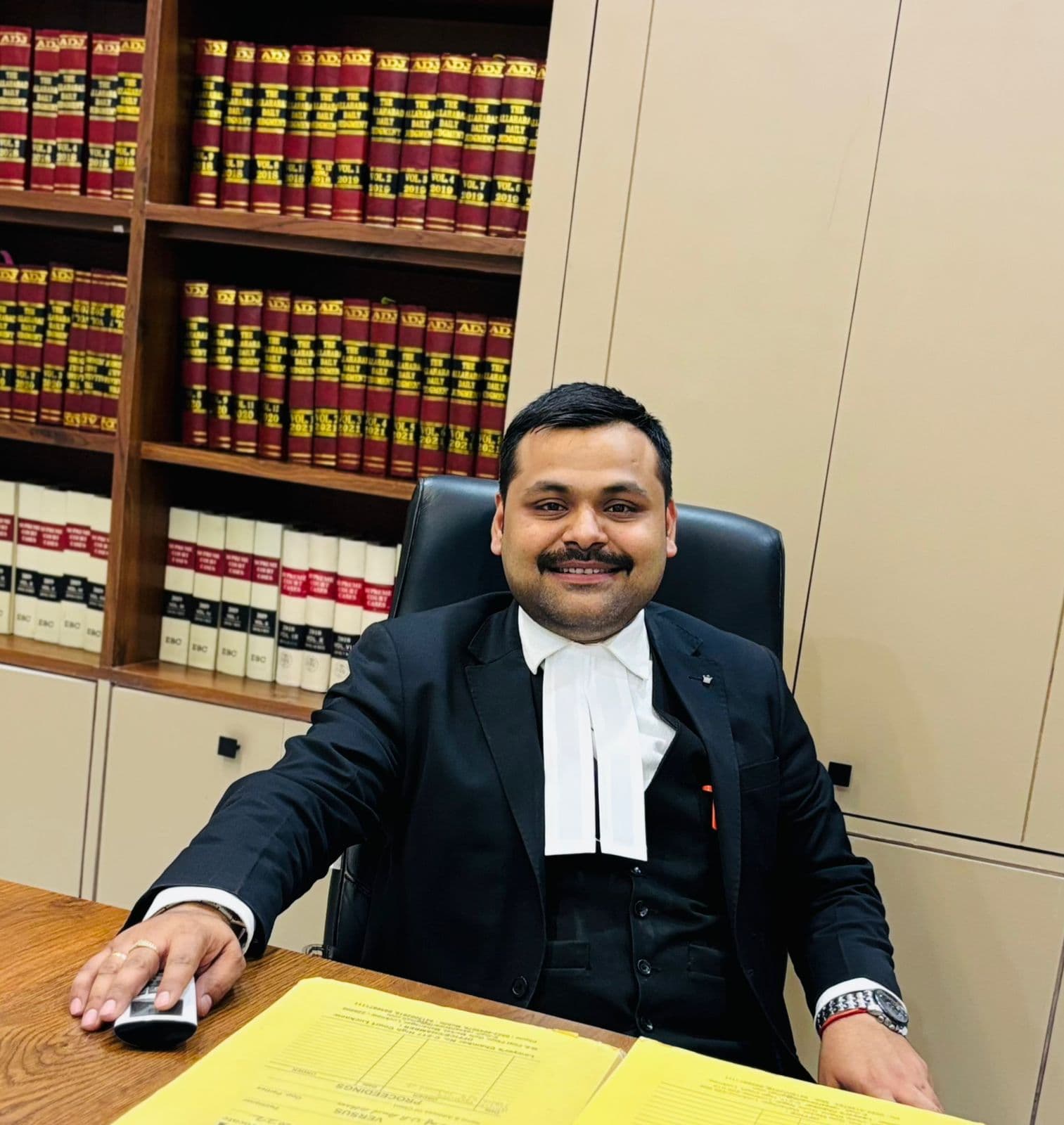
Adv. Jitendra Tiwari
Director
Lucknow & Allahabad
B.A. LL.B. (Hons.)
- Property & Land
- Civil & Criminal Matters
- Revenue Matters
Family Law
Discreet representation for mutual consent divorce, contested proceedings, maintenance, and child custody before the Family Court, Lucknow and appropriate appellate forums.
Our divorce and matrimonial practice is led by Adv. Aishwarya Pandey, Associate Partner at Sumanjari & Co. Advocates. We help you understand the available remedies, prepare your case, and address the financial and parenting decisions that accompany separation.
Divorce petitions for Lucknow are heard by the Family Court, Lucknow at Wala Qadar Road, Qaiserbagh (Principal Judge and Additional Principal Judges); appeals go to the Allahabad High Court, Lucknow Bench at Gomti Nagar; the ten stages below explain each step.
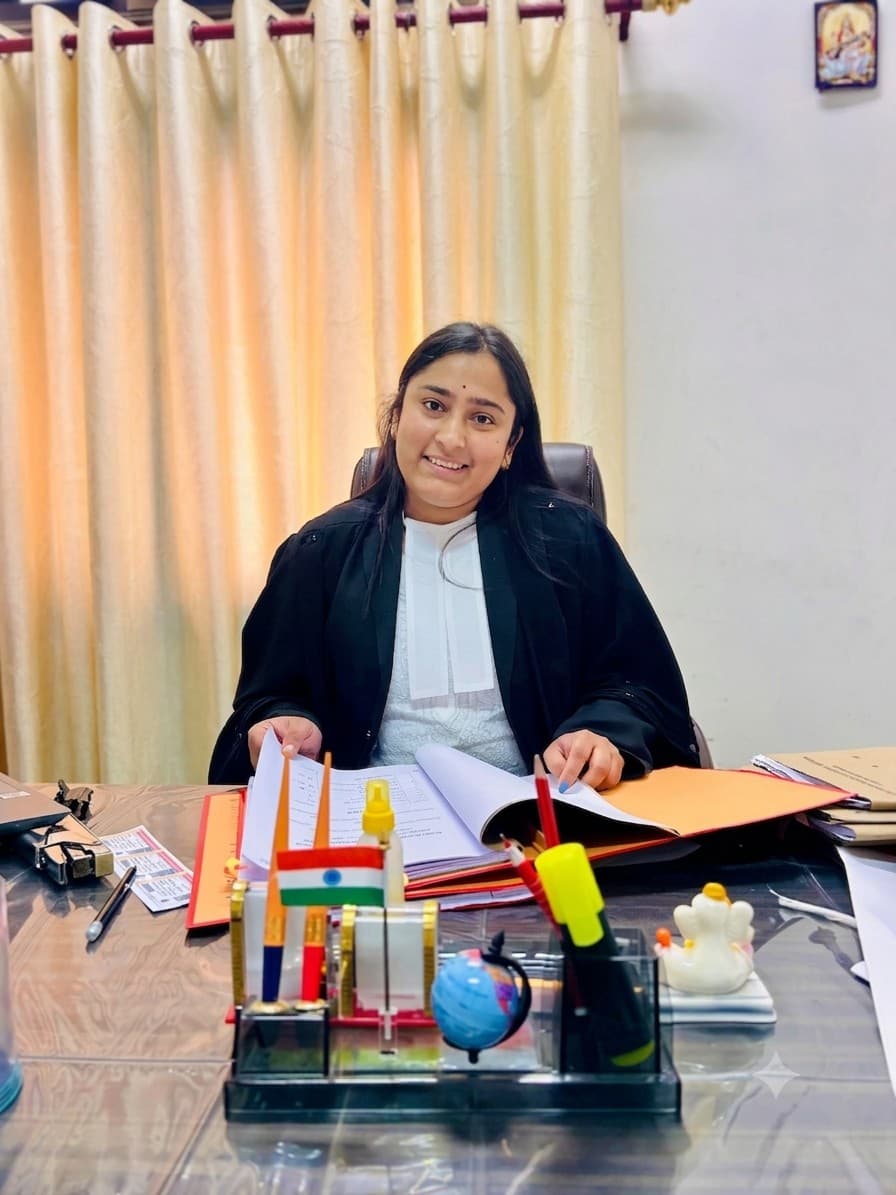
Divorce & Matrimonial Lead
Associate Partner
BBA LL.B. (Hons.), LL.M.
View ProfileAdv. Aishwarya Pandey leads our divorce practice. Supporting advocates bring recorded experience in family, matrimonial and connected civil proceedings, with allocation based on the needs of the case.
Director

Associate Advocate
Reach our Lucknow team at Shushant Golf City or our chamber at the Allahabad High Court, Lucknow Bench in Gomti Nagar. Please call to confirm the appropriate chamber and arrange your consultation before visiting.
Start by identifying whether your matter involves mutual consent, contested grounds, maintenance or child custody. Ask about Family Court practice, eligibility and jurisdiction, settlement terms, financial disclosure and connected proceedings. Clarify who will appear, when personal attendance may be required, and how fees are divided across stages. A suitable divorce advocate explains options and risks without promising a fixed completion date or a particular alimony outcome.
Sumanjari & Co. Advocates is a second-generation law firm with 30+ years of legal experience and 10,000+ cases solved by its team. Each advocate's individual practice areas are listed on their profile; no outcome is guaranteed.
Ending a marriage involves more than obtaining a decree. Decisions about children, financial support, housing, belongings, and pending disputes can shape everyday life long after proceedings conclude. Our approach begins with understanding your circumstances, identifying immediate concerns, and explaining the remedies under the law governing your marriage.
We assist spouses seeking an amicable separation as well as clients who need to file or defend contested proceedings. Where negotiation is realistic, we work towards precise and workable settlement terms. Where litigation is necessary, we focus on accurate pleadings, reliable evidence, and preparation for court rather than promises of a particular result.
When both spouses agree to separate, a clear settlement can reduce uncertainty. We assist with joint petitions, first and second motion proceedings, and applications for waiver of the cooling-off period where legally available.
When consent or settlement is not possible, the petition must establish a ground recognised by the applicable marriage law. We prepare and defend petitions, assess evidence, and represent clients through interim applications, hearings, and trial.
Financial arrangements need to account for actual income, reasonable needs, dependants, and existing orders. We assist with interim support, litigation expenses, permanent alimony, and settlement structures suited to the facts.
The welfare of the child is central to custody decisions. We help parents seek workable arrangements for care, schooling, holidays, communication, and access, including interim relief while the divorce remains pending.
A divorce may run alongside protection, residence, maintenance, or criminal proceedings. We assess each case separately and coordinate the strategy so that pleadings, disclosures, and settlement steps remain consistent.
Divorce is not the only matrimonial remedy. Judicial separation does not dissolve the marriage, while annulment concerns a marriage that is void or voidable on statutory grounds. We assess which remedy is legally appropriate.
Mutual consent divorce is based on a shared decision to end the marriage. Before filing, spouses should settle financial support, parenting arrangements, return of belongings, and how connected proceedings will be addressed. Clear payment milestones and compliance terms help prevent later disputes. Consent must remain voluntary through the legally required stages.
Contested divorce requires the court to decide whether a statutory ground has been proved. The other spouse can respond and challenge the evidence. Interim maintenance or custody may need attention while the case continues. Even after litigation begins, mediation or settlement can remain an option if lawful and freely accepted.
The two tracks differ fundamentally in prerequisite, procedure and appellate exposure. The comparison below reflects how each proceeds before the Principal Judge, Family Court, Lucknow at 430, Wala Qadar Road, Kaiserbagh.
| Aspect | Mutual Consent Divorce (Section 13B Hindu Marriage Act, 1955 / Section 28 Special Marriage Act, 1954 / Mubarat) | Contested Divorce (Section 13(1) HMA / Section 27 SMA / Section 2 Dissolution of Muslim Marriages Act, 1939) |
|---|---|---|
| Statutory Separation Prerequisite | One year of living separately under Section 13B HMA before the joint petition is maintainable. | Immediate filing on grounds such as cruelty or adultery, or after two years of desertion under Section 13(1) HMA. |
| Key Procedural Stages at Family Court, Kaiserbagh | Joint Petition + Settlement MOU → First Motion Statement → 6-Month Cooling-Off or Waiver Application under Amardeep Singh v. Harveen Kaur → Second Motion → Divorce Decree. | Petition → Notice & Mediation Center Referral → Written Statement & Rajnesh v. Neha Income Affidavits → Issues & Cross-Examination → Final Arguments & Decree. |
| Appellate Forum | Section 19 excludes appeals from consent decrees. Allegations of fraud or coercion require advice on the appropriate remedy, not an assumption that an ordinary appeal is available. | First Appeal under Section 19 of the Family Courts Act, 1984 within 30/90 days before a Division Bench of the Allahabad High Court, Lucknow Bench. |
Drafting a comprehensive Master Settlement Agreement covering lumpsum permanent alimony under Section 25 HMA, the Stridhan inventory return, child custody and visitation, and the withdrawal or quashing of parallel criminal cases (Section 498A IPC / Section 85 BNS, Section 125 CrPC / Section 144 BNSS, and PWDVA Section 12 proceedings).
Jurisdictional verification under Section 19 HMA — where the marriage was solemnized, where the parties last resided together in Lucknow, or where the respondent/wife currently resides — and filing of the joint petition before the Principal Judge, Family Court, Kaiserbagh, Lucknow.
Recording of the First Motion statements of both spouses and the Family Court's endorsement referring the matter to the Mediation Center.
Seeking a discretionary cooling-off waiver under Amardeep Singh v. Harveen Kaur (2017), considering separation, unsuccessful reconciliation efforts, genuine settlement of alimony, custody and connected issues, and whether further waiting serves a purpose. Amit Kumar v. Suman Beniwal (2021) clarifies that the factors are not a rigid checklist; waiver is not automatic.
Coordinating compromise quashing of the parallel FIR/chargesheet under Section 528 BNSS (formerly Section 482 CrPC) before the Allahabad High Court, Lucknow Bench, before the final alimony tranche is released.
Recording of the Second Motion statements and, where the statutory requirements and continuing consent are established, passing of the final decree of divorce. An NRI spouse may seek permission to appear by video-conference; court approval and the applicable hearing directions must be confirmed.
The marriage framework determines the grounds, eligibility, procedure, and relief. A marriage certificate and details of the ceremony or registration help identify the correct starting point.
| Law | Key provisions | Where it matters |
|---|---|---|
| Hindu Marriage Act, 1955 | s.9 (restitution), s.10 (judicial separation), s.13 (divorce grounds), s.13B (mutual consent), s.14 (one-year bar), s.15 (remarriage), s.19 (jurisdiction), s.21B (expeditious trial), s.23(2) (reconciliation), s.24 (interim maintenance & litigation costs), s.25 (permanent alimony), s.26 (custody), s.27 (joint property), s.28 (appeal) | Most divorce petitions at the Family Court, Lucknow |
| Special Marriage Act, 1954 | s.27, s.28, s.31, s.36–38 | Court/registered marriages, interfaith marriages |
| Family Courts Act, 1984 | s.7 (jurisdiction), s.9 (duty to attempt settlement), s.10 (procedure), s.13 (legal representation), s.14 (evidence), s.19 (appeal to High Court) | How the Lucknow Family Court runs, and why appeals go to the Lucknow Bench |
| BNSS, 2023 | s.144–147 (maintenance, formerly s.125–128 CrPC); s.528 (quashing connected FIRs) | Maintenance claims; ending connected criminal cases on settlement |
| Protection of Women from Domestic Violence Act, 2005 | s.12, 18, 19, 20, 21, 23 | DV applications before the Judicial Magistrate, Civil Court, Lucknow, often running alongside the divorce |
| Guardians and Wards Act, 1890; Hindu Minority and Guardianship Act, 1956 | GWA s.7, 17, 25; HMGA s.6, 13 | Custody and guardianship at the Family Court; the child's welfare is paramount |
| Other personal laws | Divorce Act 1869; Parsi Marriage and Divorce Act 1936; Dissolution of Muslim Marriages Act 1939; Muslim Women (Protection of Rights on Marriage) Act 2019 | Which statute governs depends on the parties' religion and marriage form |
| Key Supreme Court rulings | Amardeep Singh v. Harveen Kaur (2017); Rajnesh v. Neha (2020); Shilpa Sailesh v. Varun Sreenivasan (2023); Sureshta Devi v. Om Prakash (1991) | Reference points the Lucknow Family Court applies daily |
Physical or mental cruelty may be a divorce ground under the governing law. The court examines the conduct and its context; ordinary disagreements do not automatically establish cruelty. A careful chronology and reliable supporting material are important.
Under the Hindu Marriage Act, desertion must ordinarily continue for at least two years immediately before the petition. Separation alone is not sufficient: intention, consent, reasonable cause, and the surrounding facts matter.
Adultery remains a civil divorce ground under relevant marriage laws even though it is no longer a criminal offence. Other grounds depend on the applicable statute and must meet its conditions. Evidence must be obtained lawfully, without unauthorised access to accounts or devices.
Long separation or relationship breakdown does not, by itself, create an ordinary Family Court ground called irretrievable breakdown under the Hindu Marriage Act. The Supreme Court's exceptional powers are distinct from statutory grounds available in a regular divorce petition.
Mental and physical cruelty remain the most-litigated contested ground, assessed on the standards in Samar Ghosh v. Jaya Ghosh, with sustained false criminal prosecution itself recognised as cruelty. Desertion requires two years of continuous abandonment without reasonable cause, while adultery is now proved largely through electronic evidence — call records, chats, photographs and location data — certified under Section 63 of the Bharatiya Sakshya Adhiniyam, 2023 (the successor to Section 65B of the Evidence Act).
Annulment is a distinct remedy: a void marriage (Section 11 HMA) can be declared so at any time, while a voidable marriage on grounds of impotency or fraud must be annulled under Section 12 HMA within one year of discovering the ground. On the financial side, we defend against inflated maintenance demands and build accurate computations using the Assets & Liabilities Affidavits mandated by Rajnesh v. Neha, so that interim maintenance and permanent alimony reflect disclosed income rather than speculation.
How a divorce case moves through the Family Court, Lucknow, from first consultation to decree, enforcement, and appeal at the Allahabad High Court, Lucknow Bench.
Stage 1
Forum: Chamber consultation; Family Counselling Centre of the UP Police, where a complaint is involved
The first step is identifying which marriage law governs the relationship — the Hindu Marriage Act, the Special Marriage Act, or another personal law — since grounds, eligibility and procedure differ across each. Section 14 of the Hindu Marriage Act ordinarily bars a petition within one year of marriage, except on grounds of exceptional hardship to the petitioner or exceptional depravity by the respondent, so the marriage date and the available route need to be checked together.
Where safety is a concern, immediate options such as a domestic violence complaint or a protection order should be discussed before, or alongside, any divorce strategy; a settlement conversation must never substitute for necessary protective relief. Where a criminal complaint has already been filed, the Family Counselling Centre (Parivar Paramarsh Kendra) run by the UP Police can be a venue for an attempted reconciliation or settlement.
Preserve evidence lawfully: screenshots, messages and financial records can support a case only if obtained without hacking an account or violating another law. A legal notice is optional at this stage, not a mandatory precondition to filing.
Key provisions: Section 14, Hindu Marriage Act, 1955; Section 12, Protection of Women from Domestic Violence Act, 2005
Stage 2
Forum: Family Court, Lucknow, Wala Qadar Road, Qaiserbagh
Section 19 of the Hindu Marriage Act allows a petition to be filed where the marriage was solemnised, where the respondent resides, where the parties last resided together, or, since the 2003 amendment, where the wife resides at the time of filing. The Special Marriage Act has its own jurisdiction provision under Section 31. A petitioner living in Lucknow does not automatically make every matrimonial case maintainable at the Family Court, Lucknow — the statutory connection must actually exist.
Residents of the other districts under the Lucknow Bench — such as Hardoi, Sitapur, Unnao or Barabanki — ordinarily file in their own district Family Court rather than in Lucknow, unless one of the statutory connections points here. Where the respondent is an NRI, additional considerations about service and appearance arise.
If proceedings have already been filed in the wrong forum, or a party wants a case moved for convenience or fairness, Section 24 of the Civil Procedure Code allows a transfer petition to the High Court for cases within Uttar Pradesh, while Section 25 CPC allows an inter-state transfer petition to the Supreme Court.
Key provisions: Section 19, Hindu Marriage Act, 1955; Section 31, Special Marriage Act, 1954; Section 24, Code of Civil Procedure, 1908; Section 25, Code of Civil Procedure, 1908
Stage 3
Forum: Filing counter / e-filing, Family Court, Lucknow
A contested petition under Section 13 of the Hindu Marriage Act must plead the specific ground relied upon — cruelty, desertion, adultery or another recognised ground — with dates and particulars, supported by an affidavit. A joint petition for mutual consent divorce under Section 13B instead annexes the agreed settlement terms: alimony, return of stridhan, custody and visitation, and withdrawal of any connected cases.
Filing requires proof of marriage, identity and address documents, the applicable court fee, and a vakalatnama authorising the advocate to appear. Where maintenance is claimed, the Supreme Court's direction in Rajnesh v. Neha (2020) requires a sworn affidavit of assets, income and liabilities in a prescribed format, which both parties must eventually file.
Draft pleadings carefully: inconsistencies between the petition and later affidavits or cross-examination are commonly used to challenge credibility, particularly in a contested matter.
Key provisions: Section 13, Hindu Marriage Act, 1955; Section 13B, Hindu Marriage Act, 1955; Rajnesh v. Neha (2020) disclosure affidavit
Stage 4
Forum: Family Court, Lucknow
Once filed, the court issues notice to the respondent, served through the court process, registered post, or, where the court permits, electronic means such as email or WhatsApp. If the respondent avoids service and stays away despite valid notice, the court can proceed ex parte on the record before it.
In a mutual consent petition, both spouses must ordinarily appear and have their statements recorded at the first motion confirming their joint consent to the terms filed. For an NRI respondent, appearance through video-conference may be permitted where the court allows it, though this should not be assumed without confirming the practice with the registry.
Key provisions: Order V, Code of Civil Procedure, 1908; Section 13B(1), Hindu Marriage Act, 1955
Stage 5
Forum: Family Court counsellors; Mediation Centre, Civil Court, Lucknow; Lok Adalat (DLSA Lucknow)
Section 9 of the Family Courts Act, 1984 places a duty on the Family Court to make an effort at settlement before proceeding with a contested case, and Section 23(2) of the Hindu Marriage Act requires the court to attempt reconciliation wherever possible. In practice this often means a reference to the court's own counsellors or to the Mediation Centre at the Civil Court, Lucknow.
Mediation discussions are confidential and cannot ordinarily be used as evidence if they fail. Where a settlement is reached, it should be reduced to a clear, enforceable deed covering every financial and parenting term, rather than left as an informal understanding. The National Lok Adalat, coordinated through the District Legal Services Authority, Lucknow, is another forum where a consent decree can sometimes be recorded quickly.
If mediation does not resolve the dispute, the case returns to the regular track and proceeds to written statement, issues and evidence as described at Stage 7.
Key provisions: Section 9, Family Courts Act, 1984; Section 23(2), Hindu Marriage Act, 1955
Stage 6
Forum: Family Court, Lucknow; Judicial Magistrate (DV Act), Civil Court, Lucknow
While the main petition is pending, a spouse without independent income can seek interim maintenance and litigation costs under Section 24 of the Hindu Marriage Act, assessed on income, earning capacity, reasonable needs and dependants rather than a fixed percentage. Interim custody and visitation arrangements can be sought under Section 26 of the Act, guided throughout by the child's welfare.
A parallel claim for maintenance of a spouse, children or parents can also be made under Section 144 BNSS (formerly Section 125 CrPC), and protection, residence or monetary relief can be sought under Sections 18 to 23 of the Domestic Violence Act before the Judicial Magistrate at the Civil Court, Lucknow. Courts are expected to account for amounts already awarded under one proceeding when deciding another, to avoid double recovery, as emphasised in Rajnesh v. Neha (2020).
Key provisions: Section 24, Hindu Marriage Act, 1955; Section 26, Hindu Marriage Act, 1955; Section 144 BNSS (formerly s.125 CrPC); Sections 18–23, Protection of Women from Domestic Violence Act, 2005
Stage 7
Forum: Family Court, Lucknow
In a contested matter, the respondent files a written statement responding to the grounds pleaded, and may raise a counter-claim. The court then frames the issues that need to be decided, and Section 14 of the Family Courts Act allows it to receive any report, statement, or material it considers helpful to settling the dispute, in addition to conventional oral evidence.
Evidence is led by affidavit and tested through cross-examination. Under Section 13 of the Family Courts Act, a party is not entitled to representation by a legal practitioner as of right, though in practice advocates regularly appear with the leave of the court. Section 21B of the Hindu Marriage Act directs that a petition should, as far as possible, be disposed of within six months of service of notice — a directory aim rather than a guaranteed timeline given the court's overall caseload.
For electronic records, Section 63 of Bharatiya Sakshya Adhiniyam, 2023 governs certification where applicable. Preserve the original device, source records and supporting certificate; the applicable evidence law, transitional provisions and the Family Court's evidentiary powers must be considered together.
Key provisions: Section 14, Family Courts Act, 1984; Section 13, Family Courts Act, 1984; Section 21B, Hindu Marriage Act, 1955; Section 63, Bharatiya Sakshya Adhiniyam, 2023
Stage 8
Forum: Family Court, Lucknow
For a mutual consent petition, Section 13B(2) requires a second motion confirming continuing consent, ordinarily not earlier than six months and not later than eighteen months after presentation of the joint petition. The six-month interval can be waived in appropriate cases following Amardeep Singh v. Harveen Kaur (2017). The court considers the period of separation, unsuccessful reconciliation efforts, genuine settlement of alimony, custody and connected issues, and whether further waiting would only prolong hardship. Waiver is discretionary; the factors are not a rigid checklist, as explained in Amit Kumar v. Suman Beniwal (2021).
Consent can lawfully be withdrawn by either spouse at any point before the decree is passed, as held in Sureshta Devi v. Om Prakash (1991); a decree cannot be forced on an unwilling party merely because a petition was jointly filed. Where the court permits, personal appearance at the second motion may be substituted by video-conference, but this should be confirmed with the registry rather than assumed.
Key provisions: Section 13B(2), Hindu Marriage Act, 1955; Amardeep Singh v. Harveen Kaur (2017); Sureshta Devi v. Om Prakash (1991)
Stage 9
Forum: Family Court, Lucknow
On granting the petition, the court passes a decree of divorce and, where claimed, a separate order on permanent alimony under Section 25 of the Hindu Marriage Act, which may be structured as a lump sum or periodic payments. Section 27 allows the court to make orders regarding property presented at or about the time of marriage, though a jointly purchased asset held outside this provision generally needs its own separate resolution.
The decree should also record the return of stridhan and jewellery, and any custody, guardianship and visitation schedule agreed or decided. A certified copy of the decree should be obtained promptly, since Section 15 permits either party to remarry only after the limitation period for an appeal has lapsed, or after any appeal has been finally dismissed.
Key provisions: Section 25, Hindu Marriage Act, 1955; Section 27, Hindu Marriage Act, 1955; Section 15, Hindu Marriage Act, 1955
Stage 10
Forum: Allahabad High Court, Lucknow Bench (appeal); Family Court, Lucknow (execution)
An appeal against an appealable Family Court judgment or order lies to a Division Bench of the Allahabad High Court, Lucknow Bench under Section 19 of the Family Courts Act, 1984. Consent decrees and interlocutory orders are excluded, and certain maintenance orders follow a different review route. Limitation is strict, and the periods in Section 19(3) of the Family Courts Act and Section 28(4) of the Hindu Marriage Act are not identical; confirm which applies with the certified copy in hand rather than estimate the deadline.
Where maintenance or alimony falls into arrears, execution proceedings can be filed before the Family Court, Lucknow to recover the amount. For connected criminal proceedings resolved by settlement, Section 528 BNSS / 482 CrPC quashing may be sought at the Lucknow Bench where legally available, following principles such as those in Gian Singh v. State of Punjab (2012). The court considers the nature of the offence and the governing procedure; quashing is not automatic. Domestic violence proceedings may require separate disposal orders, and a private withdrawal letter to the police does not itself end a criminal case.
Key provisions: Section 19, Family Courts Act, 1984; Section 28, Hindu Marriage Act, 1955; Section 528 BNSS (formerly s.482 CrPC)
Exact filing requirements depend on your case. Bring the records you already have; missing documents can be discussed at the consultation. Preserve originals and avoid altering messages or other evidence.
A workable settlement distinguishes spousal support from child support and records whether payments are lump-sum, periodic, or linked to specific expenses. It should address due dates, transfer or return of assets, outstanding loans, and consequences of non-compliance. Divorce does not automatically transfer jointly held property or cancel obligations to a lender.
For children, we focus on arrangements that function in practice: school-day care, holidays, travel, medical decisions, communication, and handover times. Parenting arrangements should not use access to a child as leverage over financial disputes. Courts may revisit custody or support when circumstances change and the law permits it.
Where safety or coercion is a concern, settlement discussions must not replace necessary protective relief. Tell your advocate about urgent risks, existing protection orders, or restrictions that could affect mediation or contact with the other party.
We assist with divorce petitions, matrimonial relief, maintenance, and custody before the Family Court where it has jurisdiction. Living in Lucknow does not automatically make every matrimonial case maintainable here: the statutory connections and facts must be checked before filing.
Appeals and other appropriate proceedings may lie before the Allahabad High Court, Lucknow Bench, subject to jurisdiction and maintainability. Domestic violence and connected criminal proceedings may be before different courts. We assess the correct forum, remedy, and time limits for each matter.
Under Section 19 of the Hindu Marriage Act, 1955 and Section 31 of the Special Marriage Act, 1954, the place of marriage, the respondent's residence, the last shared matrimonial home and, for a wife filing a petition, her current residence can establish jurisdiction, subject to the statutory conditions. A Lucknow address alone does not entitle every petitioner to file here.
For a petition with the required connection to Lucknow, residents of the localities below ordinarily present it before the Family Court, Kaiserbagh. The registry assigns the case to the Principal Judge or an Additional Principal Judge; the neighbourhood does not determine a separate divorce court.
| Area | Localities | Filing forum |
|---|---|---|
| Trans-Gomti | Gomti Nagar, Gomti Nagar Extension, Vibhuti Khand, Indira Nagar, Aliganj, Jankipuram, Vikas Nagar, Mahanagar | Family Court, Lucknow, Kaiserbagh, where statutory jurisdiction is established |
| Central & Cis-Gomti | Hazratganj, Kaiserbagh, Lalbagh, Mall Avenue, Raj Bhavan vicinity | Family Court, Lucknow, Kaiserbagh, where statutory jurisdiction is established |
| South & Industrial Lucknow | Ashiyana, LDA Colony, Alambagh, Transport Nagar, Telibagh, Sushant Golf City (Amar Shaheed Path) | Family Court, Lucknow, Kaiserbagh, where statutory jurisdiction is established |
| Western Lucknow | Rajajipuram, Chowk, Thakurganj, Dubagga | Family Court, Lucknow, Kaiserbagh, where statutory jurisdiction is established |
Appealable Family Court judgments and orders go to the Allahabad High Court, Lucknow Bench, subject to Section 19 of the Family Courts Act. Chamber consultations, including for residents of Gomti Nagar and Indira Nagar, can be arranged by prior appointment at Chamber Block D-311, Allahabad High Court, Lucknow Bench, Vibhuti Khand, Gomti Nagar. A chamber appointment is separate from filing or attending the Family Court.
Check current notices, cause lists and case-status links on the official Lucknow District Court website. This guide does not replace registry instructions or an order in your case.
Led by Adv. Aishwarya Pandey, our team explains the options and their practical implications, including the distinction between urgent interim relief and a final divorce decree. We discuss the scope of representation and fees after reviewing the matter, so advice, drafting, hearings, and connected proceedings can be understood separately.
Preparation includes checking the consistency of the case history, identifying evidence gaps, and reviewing existing orders before filing a new application. We approach settlement with care, but do not assume every matter can or should be resolved through mediation. Client instructions and lawful protection of rights remain central.
Mutual consent divorce requires both spouses to agree to dissolve the marriage and maintain consent through the required proceedings. A contested divorce may be appropriate when one spouse does not agree or key issues remain unresolved, but a recognised statutory ground must be established. We assess the applicable law and evidence before recommending a route.
There is no fixed completion time for every case. The applicable statute, service of notice, settlement, evidence, connected applications, and the court's schedule all affect duration. Mutual consent proceedings are generally less extensive than a contested trial, but no decree date can be guaranteed.
Yes, in appropriate mutual consent cases under Section 13B(2) of the Hindu Marriage Act. Under Amardeep Singh v. Harveen Kaur (2017), the court considers separation, unsuccessful reconciliation efforts, genuine settlement of alimony, custody and connected issues, and whether further waiting serves any purpose. Amit Kumar v. Suman Beniwal (2021) explains that these factors are not a rigid checklist. Waiver is discretionary, not automatic, and continuing consent remains necessary.
Section 13B of the Hindu Marriage Act ordinarily requires the spouses to have lived separately for at least one year, to be unable to live together, and to agree to dissolve the marriage. Living separately concerns the marital relationship and does not always mean different addresses. Requirements under other laws must be checked separately.
Possibly, depending on the applicable jurisdiction provisions. Under the Hindu Marriage Act, relevant connections can include where the marriage was solemnised, where the respondent resides, where the spouses last resided together, and, for a wife filing a petition, where she resides when filing. Special situations and other marriage laws require a separate assessment.
Courts consider factors such as income, earning capacity, assets, reasonable needs, dependants, and the circumstances of the parties. There is no universal percentage or automatic entitlement to a particular amount. Existing maintenance orders and financial disclosures are important to the assessment.
The child's welfare is the paramount consideration. Courts examine care, stability, education, safety, and other relevant circumstances, including the child's wishes where appropriate. Custody is not determined solely by a parent's gender or income. Visitation and child support may be addressed separately.
No general rule automatically divides all property equally on divorce in India. Title, contributions, the nature of the asset, applicable law, and negotiated terms matter. Stridhan is distinct from jointly held assets. A settlement should identify each asset and the steps needed to transfer or return it.
A mutual consent decree ordinarily requires continuing consent at the relevant stages. If consent is withdrawn or attendance becomes an issue, the available procedural options must be assessed. A contested petition is not an automatic substitute and requires its own legal basis.
A settlement may provide for lawful steps in connected cases, but a divorce decree does not automatically close a criminal complaint or domestic violence proceeding. Withdrawal, compounding, or High Court quashing depends on the nature of the case and the court's approval where required.
Fees depend on the scope of advice, drafting, hearings, interim applications, evidence, and any appeal. After reviewing the matter, the team can explain the proposed scope and fee arrangement. Court fees and other expenses should be distinguished from professional fees.
The Family Court, Lucknow is at 430, Wala Qadar Road, Kaiserbagh (also spelled Qaiserbagh), Lucknow, Uttar Pradesh 226001, near Parivartan Chowk. Under the Family Courts Act, 1984, it hears dissolution of marriage, judicial separation, restitution of conjugal rights, maintenance, custody and guardianship matters where it has jurisdiction. Confirm the assigned courtroom and current venue with the registry before travelling; residence in Lucknow alone does not establish jurisdiction for every petition.
Courts have increasingly permitted appearance and evidence by video-conference where travel is impractical, but this is allowed at the court's discretion and is not an automatic right. We assess whether video-conference participation is realistic for a given hearing, and coordinate service and representation where one spouse lives abroad. Our NRI legal services team can also assist with related cross-border issues.
Appeals from appealable judgments and orders of the Family Court, Lucknow lie before a Division Bench of the Allahabad High Court, Lucknow Bench at Gomti Nagar under Section 19 of the Family Courts Act, 1984. Consent decrees and interlocutory orders are excluded; certain maintenance orders have a different review route. Confirm maintainability and the applicable limitation period promptly from the certified copy rather than assuming that every order can be appealed.
Check the case number, cause list, assigned courtroom, hearing date and current venue. Confirm working hours, filing-counter cut-off times and any mediation referral with the Family Court registry; these can change with notices and holidays. Carry original government-issued photo identification, copies of filed papers and court orders, and photographs or other documents if directed. Statutory court fees are separate from professional fees and other expenses.
यह सामान्य कानूनी जानकारी है, किसी विशेष मामले की सलाह नहीं। लागू विवाह कानून, तथ्यों और अदालत के आदेश के अनुसार प्रक्रिया बदल सकती है। किसी परिणाम या समय-सीमा की गारंटी नहीं है।
हिंदू विवाह अधिनियम की धारा 13B के तहत सामान्यतः कम से कम एक वर्ष से अलग रह रहे पति-पत्नी संयुक्त याचिका और समझौते की शर्तें प्रस्तुत करते हैं। पहले मोशन में बयान दर्ज होते हैं। दूसरा मोशन सामान्यतः याचिका प्रस्तुत होने के छह महीने बाद और अठारह महीने के भीतर होता है। अमरदीप सिंह बनाम हरवीन कौर (2017) के अनुसार अदालत उचित मामलों में छह महीने की अवधि से छूट दे सकती है। अलगाव, सुलह के प्रयास, भरण-पोषण, बच्चों की देखभाल और संबंधित विवादों के वास्तविक समझौते पर विचार होता है। छूट स्वतः नहीं मिलती; डिक्री तक दोनों की स्वैच्छिक सहमति बनी रहनी चाहिए।
रजनेश बनाम नेहा (2020) में सर्वोच्च न्यायालय ने भरण-पोषण मामलों में दोनों पक्षों से निर्धारित प्रारूप में संपत्ति और देनदारियों का विस्तृत शपथ पत्र दाखिल करने का निर्देश दिया है। इसमें आय, खर्च, संपत्ति, ऋण और आश्रितों का सही विवरण तथा उपलब्ध दस्तावेज दिए जाते हैं। पहले से मिले भरण-पोषण आदेश भी बताने चाहिए। अदालत के निर्देश और लागू प्रारूप की जाँच करें; हर तलाक याचिका में अपने आप ऐसा दावा नहीं होता।
लखनऊ फैमिली कोर्ट के अपील योग्य निर्णय और आदेश के विरुद्ध फैमिली कोर्ट्स एक्ट, 1984 की धारा 19 के तहत इलाहाबाद हाईकोर्ट की लखनऊ बेंच, गोमती नगर में दो न्यायाधीशों की पीठ के समक्ष अपील होती है। सहमति की डिक्री और अंतरिम प्रकृति के आदेशों पर धारा 19 की अपील नहीं होती; कुछ भरण-पोषण आदेशों के लिए अलग समीक्षा प्रक्रिया है। प्रमाणित प्रति लेकर अपील की उपलब्धता और समय-सीमा तुरंत जाँचें।
लखनऊ का फैमिली कोर्ट 430, वाला कदर रोड, कैसरबाग, लखनऊ, उत्तर प्रदेश 226001 में परिवर्तन चौक के पास स्थित है। फैमिली कोर्ट्स एक्ट, 1984 के तहत यहाँ विवाह-विच्छेद, न्यायिक पृथक्करण, दाम्पत्य अधिकारों की पुनर्स्थापना, भरण-पोषण, बच्चों की अभिरक्षा और संरक्षकता जैसे मामले सुने जाते हैं, जहाँ अदालत को क्षेत्राधिकार हो। अदालत जाने से पहले वर्तमान पता, कक्ष संख्या और कार्य समय रजिस्ट्री या वाद-सूची से सुनिश्चित करें।
हमेशा नहीं। हिंदू विवाह अधिनियम की धारा 19 के अनुसार याचिका वहाँ दायर हो सकती है जहाँ विवाह संपन्न हुआ, जहाँ प्रतिवादी रहता है, जहाँ पति-पत्नी अंतिम बार साथ रहे, और पत्नी द्वारा याचिका दायर करने पर जहाँ वह याचिका के समय रह रही है। विशेष विवाह अधिनियम की धारा 31 में अलग प्रावधान है। लखनऊ जिले के पते के साथ भी अधिकार-क्षेत्र का वैधानिक आधार होना चाहिए। अन्य जिलों के निवासी प्रायः अपने जिले के फैमिली कोर्ट में जाते हैं।
हिंदू विवाह अधिनियम की धारा 13B के अनुसार सामान्यतः पति-पत्नी को याचिका प्रस्तुत करने से पहले कम से कम एक वर्ष से अलग रह रहा होना चाहिए, साथ रहना संभव न होना चाहिए और तलाक के लिए आपसी सहमति होनी चाहिए। "अलग रहना" का अर्थ वैवाहिक संबंध की स्थिति से है और हर मामले में अलग पते का होना आवश्यक नहीं। विवाह के पहले वर्ष में धारा 14 की रोक भी जाँचनी होती है। अन्य विवाह कानूनों की शर्तें अलग से देखी जाती हैं।
आपसी सहमति की डिक्री के लिए डिक्री पारित होने तक सहमति बनी रहनी चाहिए। सुरेष्टा देवी बनाम ओम प्रकाश (1991) के अनुसार कोई भी पक्ष डिक्री से पहले सहमति वापस ले सकता है, और केवल संयुक्त याचिका के आधार पर किसी को तलाक के लिए बाध्य नहीं किया जा सकता। ऐसी स्थिति में उपलब्ध प्रक्रियात्मक विकल्पों का आकलन करना होता है। विवादित (कंटेस्टेड) याचिका अपने आप विकल्प नहीं बनती; उसके लिए धारा 13 के तहत वैधानिक आधार सिद्ध करना आवश्यक है।
हिंदू विवाह अधिनियम की धारा 13 के तहत क्रूरता, परित्याग और जारकर्म (एडल्टरी) जैसे आधार हैं। परित्याग में सामान्यतः याचिका से ठीक पहले कम से कम दो वर्ष की निरंतर अवधि आवश्यक होती है; केवल अलग रहना पर्याप्त नहीं है, इरादा, सहमति और उचित कारण भी देखे जाते हैं। क्रूरता में आचरण और उसके संदर्भ को परखा जाता है; साधारण मतभेद स्वतः क्रूरता नहीं होते। केवल लंबे समय का अलगाव सामान्य फैमिली कोर्ट में "असुधार्य विघटन" का स्वतंत्र आधार नहीं है। साक्ष्य वैध तरीके से जुटाए जाने चाहिए।
अदालत दोनों पक्षों की आय, कमाने की क्षमता, संपत्ति, उचित आवश्यकताओं, आश्रितों और परिस्थितियों को देखती है; कोई निश्चित प्रतिशत या स्वतः अधिकार नहीं है। मुकदमा लंबित रहने पर धारा 24 के तहत अंतरिम भरण-पोषण और मुकदमे का खर्च माँगा जा सकता है, जबकि स्थायी गुजारा भत्ता धारा 25 के तहत तय होता है, जो एकमुश्त या किस्तों में हो सकता है। पहले से चल रहे भरण-पोषण के आदेश अदालत को बताने चाहिए।
बच्चे का कल्याण सबसे महत्वपूर्ण कारक है। अदालत देखभाल, स्थिरता, शिक्षा, सुरक्षा और उचित मामलों में बच्चे की इच्छा जैसे तथ्यों पर विचार करती है। कस्टडी केवल माता-पिता के लिंग या आय से तय नहीं होती। मुकदमे के दौरान अंतरिम कस्टडी और मुलाकात की व्यवस्था धारा 26 जैसे प्रावधानों के तहत माँगी जा सकती है। मुलाकात का अधिकार और बच्चे का खर्च अलग से भी तय हो सकता है।
नहीं, भारत में तलाक पर सारी संपत्ति अपने आप बराबर नहीं बँटती। स्वामित्व, योगदान, संपत्ति की प्रकृति, लागू कानून और आपसी समझौते की शर्तें महत्वपूर्ण होती हैं। स्त्रीधन संयुक्त संपत्ति से अलग माना जाता है, और समझौते में उसकी वापसी तथा हर संपत्ति के हस्तांतरण के चरण स्पष्ट लिखे जाने चाहिए। विवाह के समय या उसके आसपास दी गई संपत्ति पर धारा 27 के तहत आदेश माँगा जा सकता है; संयुक्त रूप से खरीदी गई संपत्ति के लिए प्रायः अलग समाधान चाहिए।
अदालतें यात्रा कठिन होने पर कई मामलों में वीडियो कॉन्फ्रेंसिंग से उपस्थिति या साक्ष्य की अनुमति देती हैं, लेकिन यह अदालत के विवेक पर है, स्वतः अधिकार नहीं। नोटिस की तामील, वकील के माध्यम से प्रतिनिधित्व और सुनवाई की तारीख की व्यावहारिकता का पहले आकलन करना चाहिए। अनुमति और सुनवाई के निर्देश रजिस्ट्री या अदालत के आदेश से पुष्टि करें।
नहीं। तलाक की डिक्री या निजी समझौता किसी आपराधिक शिकायत या घरेलू हिंसा की कार्यवाही को स्वतः समाप्त नहीं करता। मामले की प्रकृति के अनुसार समझौता, वापसी या हाईकोर्ट में धारा 528 BNSS (पूर्व में धारा 482 CrPC) के तहत निरस्तीकरण जैसे वैधानिक उपाय अपनाने पड़ सकते हैं, जो अदालत की अनुमति और कानून की उपलब्धता पर निर्भर हैं। पुलिस को केवल निजी वापसी-पत्र देने से मामला समाप्त नहीं होता।
विवाह प्रमाणपत्र या विवाह का अन्य प्रमाण, पहचान और पते के दस्तावेज़, अलगाव की तारीखों का क्रमवार विवरण, आय के कागज़ात (वेतन पर्ची, आयकर रिटर्न, बैंक विवरण), संपत्ति और देनदारियों की जानकारी, बच्चों के जन्म प्रमाणपत्र और स्कूल रिकॉर्ड, तथा पहले से मिले नोटिस, शिकायतें, याचिकाएँ और अदालती आदेश साथ लाएँ। सभी साक्ष्य वैध तरीके से प्राप्त किए गए होने चाहिए, और मूल दस्तावेज़ सुरक्षित रखें। कोई दस्तावेज़ उपलब्ध न हो तो परामर्श में उस पर चर्चा हो सकती है।
A mutual consent settlement should address more than the divorce petition. Review the amount and timing of financial support, return of belongings and stridhan, responsibility for joint liabilities, parenting arrangements and the lawful steps required in connected cases. A private agreement does not automatically close criminal or domestic violence proceedings, transfer property or dissolve a marriage. Each obligation needs an appropriate document, order or implementation step.
For the first review, bring marriage and identity records, address details, the separation chronology, income disclosures and all existing notices, petitions and orders. Identify the applicable marriage law and any overseas connection before assuming eligibility or a filing timeline. Consent must remain voluntary; a cooling-off waiver is subject to legal conditions and the court's decision. For broader support and protection issues, visit our family law practice.
Divorce-specific reads on mutual consent strategy, contested grounds, alimony computation, annulment and settlement exits.
SAMAR GHOSH PRECEDENTS & FALSE PROSECUTION CRUELTY
Read Article →SHILPA SAILESH 5-JUDGE BENCH SUPREME COURT MANDATE
Read Article →BSA 2023 EVIDENTIARY STANDARDS & ELECTRONIC PROOF
Read Article →WAIVING 6-MONTH COOLING-OFF PERIOD (AMARDEEP SINGH)
Read Article →FRAUD, IMPOTENCY & CONCEALMENT UNDER SECTIONS 11 & 12
Read Article →LUMPSUM VS MONTHLY SETTLEMENTS & TAX IMPLICATIONS
Read Article →DEFENDING SELF-ACQUIRED PROPERTY & SECTION 27 CLAIMS
Read Article →BULLETPROOF MOUS, QUASHING UNDERTAKINGS & CONTEMPT SHIELDS
Read Article →SECTION 482 / 528 BNSS QUASHING & ARTICLE 227 WRITS
Read Article →ASSET & LIABILITY AFFIDAVITS & EXPOSING CONCEALED INCOME
Read Article →STANDARD OF LIVING TESTS & ACTUAL EARNING CAPACITY
Read Article →PASSPORT IMPOUNDMENT, SECTION 84 BNSS & EXTRADITION
Read Article →Discuss your circumstances with our divorce practice led by Adv. Aishwarya Pandey, whether you are considering separation, seeking an agreed divorce, or responding to a matrimonial petition.
This page provides general legal information, not advice for a specific case. Requirements and remedies depend on the applicable law, facts, and court orders. No result or completion timeline is guaranteed.
Sumanjari & Co. Advocates
30+ years of firm-wide legal experience across practice areas.Each matter is assessed on its own facts and applicable law.